Why Go Native?
There are many great reasons to incorporate native plants into your wildlife-friendly garden.
For more information please visit the WI DNR page https://dnr.wisconsin.gov/topic/endangeredresources/nativeplants This resource has planting basics focusing on the following:
DNR's Native Plant Recommendations for Landscaping [PDF]
Native plants for beginners [PDF]
Plants for birds [PDF]
Plant for monarchs [PDF]
Rain Gardens: A Guide for Homeowners and Landscapers [PDF]
Step-by-Step Native Landscaping Guide
Wild Ones native garden designs
Buy native plants
Wisconsin Native Plant Nurseries [PDF]
Xerces’ Milkweed Seed Finder
Thriving in Your Environment
Native plants are already adapted to Wisconsin’s climate, soil conditions, and rainfall patterns. Once established, they typically require less watering, fertilizer, and maintenance than non-native plants.
A Haven for Wildlife
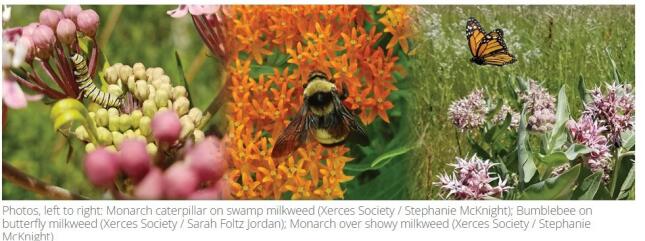
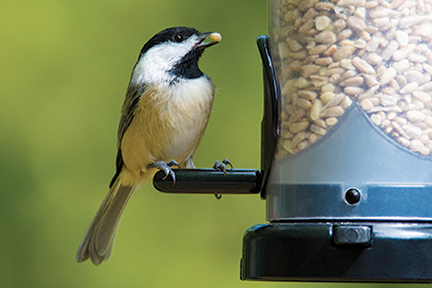
Native plants have coevolved with local wildlife and provide important food sources like nectar, pollen, seeds, and fruits. Butterflies, bees, hummingbirds, and many bird species rely on these plants to survive. Adding native plants to your landscape helps create a thriving pollinator and bird habitat.
Promoting Biodiversity
Gardens filled with native plants support a greater diversity of wildlife. This increased biodiversity strengthens ecosystems, encourages natural pest control, and helps maintain environmental balance.
Beauty with Benefits
Native plants offer incredible beauty while benefiting wildlife. From colorful prairie wildflowers to elegant native grasses and woodland ferns, these plants create a visually stunning landscape that also supports the environment.
Water Conservation
Because native plants are naturally adapted to local conditions, they require less watering once established. This helps conserve water and reduces the demand on local resources.
Erosion Control
Many native plants develop deep root systems that stabilize soil and help prevent erosion, especially on slopes and areas prone to runoff.